ChatGPT Workout Plan: What It Gets Right, Where It Breaks, and the Purpose-Built Alternative

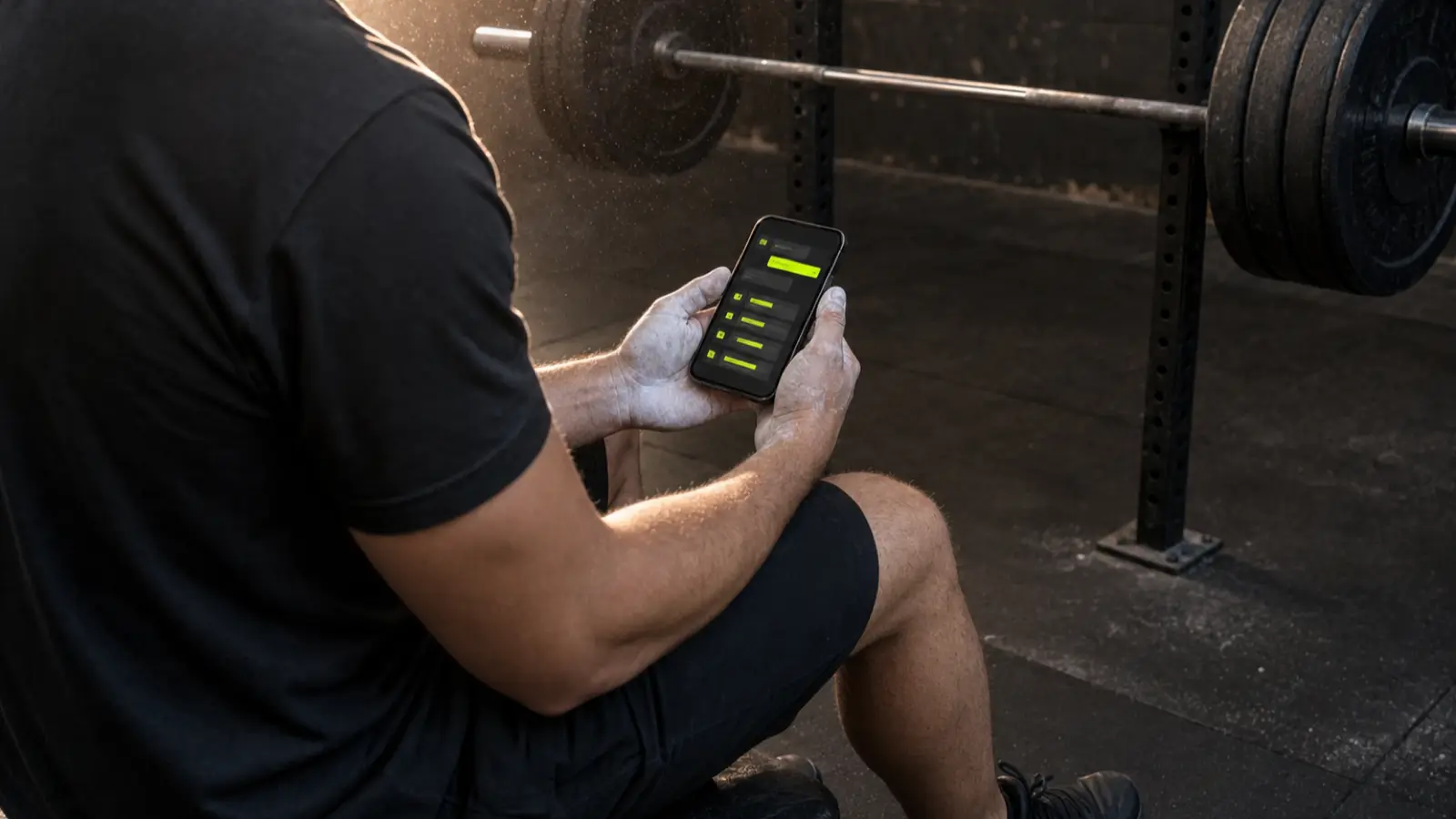
A ChatGPT workout plan can be a good first draft, but it will not track your sets, see your form, or know what happened at the gym unless you tell it. Give it clear details, check every exercise, then move the plan into a log.
Can ChatGPT write a workout plan?
Yes. It is quick and good at turning a blank page into a routine. Ask for four days and it can choose a split, place rest days, and give each lift a target.
A solid first draft might say:
- Barbell bench press: 3 sets of 6 to 8 reps
- One-arm dumbbell row: 3 sets of 8 to 12 reps
- Dumbbell lateral raise: 2 sets of 12 to 15 reps
- Stop each set with about 2 good reps left
That last line is often called RPE 8. RPE is a 1 to 10 effort scale. An 8 means the set was hard, but you could likely do 2 more clean reps.
The output is still a draft. OpenAI says ChatGPT can give wrong or misleading answers, even when it sounds sure. Check exercise names and weekly workload. If a movement hurts, stop and speak with a qualified health or training professional.
Takeaway: use ChatGPT to get off the blank page, then treat the plan like something a careful lifter still needs to check.
How to ask ChatGPT for a workout plan
The plan gets better when your prompt sounds like a short coach intake form. Include:
- Your main goal, such as muscle, strength, or general fitness
- Your training level
- The days and minutes you can train
- The equipment you truly have
- Any moves you cannot do
- A clear way to progress each week
A reusable ChatGPT workout plan prompt
Write a 4-day workout plan for an early intermediate lifter who wants to build muscle. I can train for 60 minutes on Monday, Tuesday, Thursday, and Saturday. I have a barbell, rack, bench, pull-up bar, and dumbbells. I do not have cables or machines. Give sets, rep ranges, rest times, and a simple progression rule. Keep each workout to 6 exercises. Explain any unusual exercise name. Do not give medical advice.
Read the answer before you train. Check the gear and search any name you do not know. If it ignores a limit, ask for a corrected plan.
Takeaway: the best prompt names your goal, level, time, gear, limits, and progression rule in plain words.
Where a ChatGPT workout plan can break
ChatGPT writes likely text. It does not pull every exercise from a fixed gym database. That means it can blend two real movements into a made-up name, or call for a machine your gym does not have. OpenAI calls this kind of wrong but confident output a hallucination.
Suppose the plan lists a "reverse cable squat press." Do not guess what that means under load. Ask for a common replacement, then confirm the replacement through a trusted exercise guide or a coach.
Memory helps, but it is easy to expect too much from it. ChatGPT can use past chats and files when Memory is on. But OpenAI says its memory summary does not include everything. That is useful for "I train at home." It is not a set-by-set log.
ChatGPT cannot know that you missed Tuesday or benched 60kg (132 lb) for 9 unless you add those facts. With no new log, it has no fresh result.
Takeaway: verify odd exercise names, state your gear, and never assume chat memory is a complete training record.
Why tracking matters after the plan
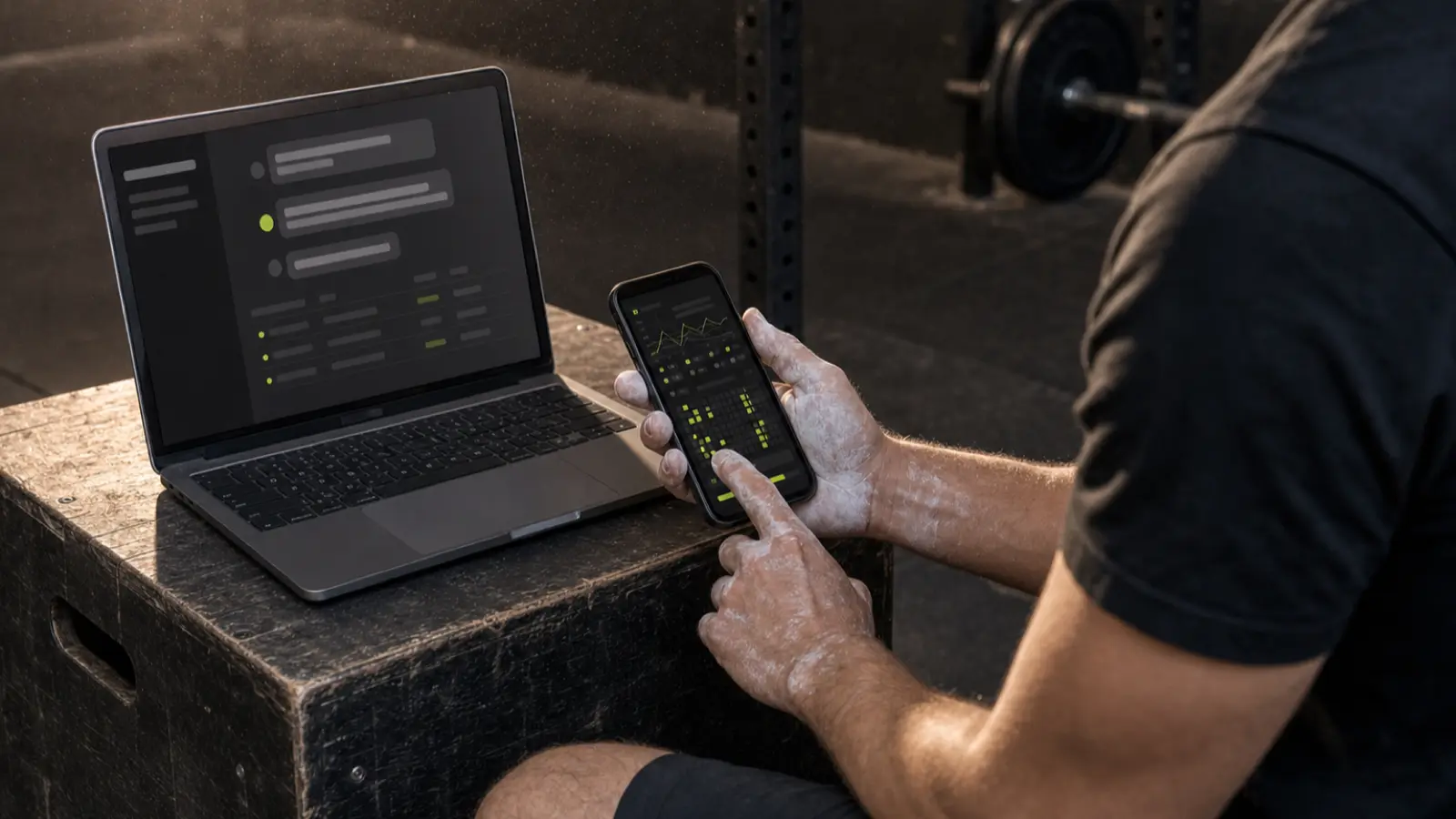
A plan tells you what to try. A log tells you what you did. You need both if you want progressive overload, which means doing a little more over time.
For each work set, record the exercise, weight, and reps. Next time, use the old numbers as your target. If you got 3 sets of 8 at 50kg (110 lb), aim for one more clean rep. Once every set reaches the top of your range, add weight. This is the double progression method.
The awkward part is moving a generated plan into daily use. You may copy each day into a tracker, fix names, then return to ChatGPT with a weekly summary. That can work, but it is easy to stop doing.
Pick a log before day one. Paper and spreadsheets work. An app keeps the plan beside the history. This guide on how to track workouts shows what to keep.
Takeaway: choose the log before you choose the plan, because progress needs last week's real numbers.
ChatGPT vs a purpose-built lifting AI
The difference is the data and rules around the answer.
| Job | ChatGPT alone | Purpose-built lifting tool |
|---|---|---|
| Draft a routine | Fast and flexible | Fast, with fitness limits |
| Pick exercises | Can produce any text | Can start from a real catalog |
| Know your gear | Only what you state | Can save equipment choices |
| Track sets | Needs your pasted log or file | Stores each set as you train |
| Check form | Cannot watch you lift | Still cannot replace a human coach |
Ask for three bench sets at 8 to 12 reps. Next week, ChatGPT only knows you hit 12, 10, and 9 if you paste those numbers back in. A lifting tool has them because you logged them.
For a wider look at these tools, read how an AI workout plan generator works.
Takeaway: ChatGPT is strongest at writing the plan, while a lifting tool is built to keep the plan tied to what you actually did.
When ChatGPT is still the right tool
ChatGPT is handy when you need an idea, not a permanent record. Good uses include:
- Swap a cable exercise for a dumbbell move
- Fit a long workout into 35 minutes
- Explain the difference between a row and a pulldown
- Turn your current plan into a travel version
- List questions to ask a trainer about a new lift
Give it your current plan when you ask for a change. Otherwise it may add work to a week that already has plenty.
It can also explain a movement, but text is not a form check. It cannot see your back round or your knee cave in. Use a coach or skilled trainer when technique, pain, or injury is the issue.
Takeaway: use ChatGPT for quick changes and clear explanations, not for watching your form or storing your history.
How one workout tracker handles the same job
Ironi keeps its tracker and voice logging free forever. Pro adds the AI split generator and plain-English workout reviews. The generator asks the model to pick from a curated part of its 758-exercise library, filters for your equipment, and saves the split beside your log. Saved sets pre-fill future targets, while the review reads the workout you completed.
That saves you from rebuilding the plan in another app each week. The tracker holds the numbers, and you still choose the load and control each rep.
Takeaway: keep the plan and log together, so next week starts with facts instead of another blank prompt.
ChatGPT workout plan FAQ
Is it safe to paste my training data into ChatGPT?
Avoid pasting names, medical records, or details the plan does not need. OpenAI says you can turn off "Improve the model for everyone". Chats stay in history but are not used to train its models. Temporary Chat creates no memories, is not used for training, and is deleted after 30 days.
Can I import a ChatGPT plan into a tracker?
Sometimes, but there is no import format every tracker accepts. You may need to enter the plan by hand. Check names and rep ranges.
Does ChatGPT know how much I can lift?
Only if you tell it, upload a log, or use a connected source that provides the data. Even then, check the suggested load yourself and start lighter when an exercise is new.
Takeaway: share only the data the plan needs, expect some setup, and never let a generated number overrule a safe first set.